Guest blog by Robyn Srigley, also known as The Hormone Diva, is a Holistic Nutritionist, who specializes in supporting women with PCOS and Endometriosis.
Polycystic ovary syndrome (PCOS) is a health problem that affects 1 in 10 women of childbearing age. The prevalence of menstrual irregularities oligo-/amenorrhea in PCOS depends on the used diagnostic criteria but is approximately 75% (Azziz et al 2006).
Maybe you are here because you (like me) are part of that 75%. Cycles are irregular or absent, and ovulation is inconsistent.
My cycles right from puberty were always irregular (except monthly bleeds during 7 years of birth control use). Doctors were very clear that conceiving a child would be next to impossible for me, and that I’d likely need to intervene with medications or fertility treatments if I wanted to be a mama.
Given that ovulation is a key step in the fertility process, there can be a lot of anxiety surrounding tracking, detecting, and jumpstarting ovulation.
I personally experimented with tracking LH levels, cervical mucus, basal body temperature, resting heart rate and other physical signs and symptoms to determine when and if I was ovulating.
Medications like Letrozole or Clomid may be prescribed by physicians to women with PCOS who are not ovulating and are actively trying to conceive.
I’ve had many clients use these medications – some with success, some without. By implementing some techniques, I will share with you later in this blog post, I was fortunate enough to begin ovulating naturally, which eventually led to the natural conception of my son.
Factors Affecting Ovulation in Women with PCOS
Polycystic ovary syndrome (PCOS), is a common health problem caused by an imbalance of reproductive hormones. The hormonal imbalance creates problems in the ovaries. The ovaries make the egg that is released each month as part of a healthy menstrual cycle. With PCOS, the egg may not develop as it should or it may not be released during ovulation as it should be.
Polycystic Ovaries
The ovulatory dysfunction in PCOS can be attributed to disturbed follicular development with excessive early follicular growth and abnormal later stages of arrested follicle growth well before expected maturation (Jonard, 2004). This pattern of follicular growth with failure in the selection of a dominant follicle for ovulation results in one of the hallmarks of PCOS: polycystic ovaries, sometimes described as a “string of pearls”.
What polycystic ovaries really means is that an accumulation of small antral follicles of size 2–9?mm is present on the ovary. Ultrasound results will shed light on whether this issue is present, and the severity of it.
Insulin & Luteinizing Hormones
Problems with follicle (aka immature egg) growth is associated with an abnormal endocrine environment involving hypersecretion of luteinizing hormone and insulin (which often results in hyperandrogenism). This can then suppress Follicle stimulating hormone (FSH), which can prevent the healthy development of follicles.
A new development in this area of research shows evidence of an intrinsic abnormality in the maturation of follicles affecting the very earliest (independent of LH and FSH) stages of follicle development. There is an increased density of small pre-antral follicles and an increased proportion of early growing follicles. These abnormalities in anovulatory PCOS are further defined by abnormal granulosa cell proliferation and disparate growth of oocyte and surrounding granulosa cells.
What does all this mean?
- Follicles are developing earlier and more abnormally than originally thought
- Communication between egg and ovarian cells is problematic
- Communication between the brain (producer of LH and FSH) and the ovaries is also altered
- Communication between follicles has also been altered
Steroid hormone problems (such as estrogen, progesterone, testosterone) and insulin dysregulation may be at the heart of these issues (Frank et al, 2008).
Here’s what LH patterns may look like when the above factors are at play in the body:
- Chronically low LH levels – this can also be from Hypothalamic Amenorrhea misdiagnosed as PCOS
- LH strips/ovulation predictor kits may always be negative in this scenario
- Chronically elevated LH levels (also called rapid LH pulsatility)
- This may give false positives on LH strips/ovulation predictor kits
Supporting Ovulation in PCOS
The following 3 sections will outline what you, as a woman with PCOS, may wish to incorporate into your life to support ovulating naturally and regularly.
Foods
Food supports for PCOS, fertility and ovulatory issues should center around:
- Regulating blood sugar and increasing insulin sensitivity
- Lowering inflammation
This will help with the pre-antral (before LH/FSH) development of follicles as well as the antral (with LH/FSH) follicular development.
Here are a few basic guidelines I know to be incredibly useful:
- Protein, fat and carbs with each meal and snack
- Eating every 3-4 hours
- Eating breakfast within 60 minutes of waking
- Focusing on high-fiber sources of carbs like sweet potato, berries, carrots, beets, apples, pears, broccoli, beans/legumes, etc
NOTE on low-carb diets: While these are very popular in the PCOS space, going on a low-carb or ketogenic diet is not necessary for restoring ovarian function/ovulation. Too few carbs for too long stresses the body out, creating cravings, fatigue, mood problems and imbalanced production of certain key hormones like LH, FSH, estrogen and progesterone.
Lifestyle
After experimenting for years with my own health and guiding hundreds of women in my practice to manage PCOS, I now know that lifestyle choices are just as important as the foods we choose to eat.
Meaning, you could eat all the amazing food in the world, but if you are still living in a chronically stressed-out state, doing things because you “have to” and not prioritizing self-care, mindset, and mental health – the physical benefits simply won’t happen.
I feel very strongly about this, and you’ll find me speaking on this topic in just about every one of the episodes for my show, The Well Sisters Podcast.
Here are a few lifestyle tips to consider when restoring ovulation in PCOS:
- Rest more: Not just sleep (see below!). Taking 5–10-minute (or longer) breaks through the day to breathe, meditate, stretch or even lie down. The purpose of this is to show your body that you’re SAFE enough to get pregnant. Your body shuts down reproductive function under a stressed-out state.
- Sleep more: Sleep helps with literally everything, including insulin sensitivity, circadian and menstrual rhythms, mood, willpower, cravings, and levels of hormones like cortisol and progesterone.
- Consider castor oil packs: One of my favorites (& very underrated) topical helpers, circulation and rhythm can be restored to the reproductive system using these packs. Episode #8 of my podcast goes into detail about this.
- Meditation: I’ve been using Circle & Bloom’s PCOS program for years now and recommend it to all of my clients with PCOS. Not only will you be relaxing your nervous system, you’ll also be creating real physical change at the cellular level. They have a PCOS Program for Health which helps manage symptoms and reduce its effects. Also, their PCOS Fertility program which helps restore emotional and hormonal balance for those TTC with PCOS. This program also includes the PCOS for Health program.
Supplements
As every woman is individual, please consult your healthcare practitioner before starting any nutritional supplement.
The following list are some of the main supplements I’ve had success in experimenting with and ones that have been instrumental for my clients.
- INOSITOL: Inositol is one of my fav supplements for my client with PCOS due to its benefits in controlling blood sugar as up to 70% of women with PCOS have some degree of insulin resistance (Marin et al, 2003). I personally used an inositol product (Ovasitol) prior to becoming pregnant.
- Improving blood sugar and insulin sensitivity is critical for more regular ovulatory cycles and improving fertility. One study found myo-inositol was more effective in restoring ovulation than metformin, a drug used to treat insulin resistance in PCOS (Raffone et al, 2009). It can also lower testosterone levels and excessive hair growth (Minozzi et al, 2008).
- N-Acetyl Cysteine: NAC is a powerful antioxidant that reduces inflammation and oxidative stress in the body. Oxidative stress occurs when you have too many free radicals and/or too little antioxidants. Women with PCOS tend to have higher levels of inflammation and oxidative stress, which is why NAC is one of the best supplements for this condition. Like inositol, I used NAC prior to falling pregnant.
- Other benefits include
- Lower testosterone levels (Oner and Muderris 2011)
- Improving insulin resistance (Javanmanesh et al, 2015)
- Boost fertility by optimizing ovulation and improving cervical mucus quality (Moktari,et al 2016)
- Magnesium: Taking magnesium supplement for PCOS may improve insulin resistance, reduce inflammation and ease PMS symptoms (Hamilton, et al 2019). Magnesium is a mineral used in over 300 different reactions in the body and becoming deficient is quite easy. I recommend working with a practitioner to figure out what form of Magnesium is best for you, as too much of some forms may cause unwanted side effects like loose stools.
It’s now my mission every single day to get up and help as many women going through the frustration and despair of imbalanced hormones (& the awful symptoms that go along with that) to feel really good in their bodies again. My mission in the content, programs & services I create is to empower you with simple & practical tools that for your life. Choices that are sustainable and incredibly effective. We don’t have to give up our favorite foods, feel “bad” when we eat sugar or take tons of medications to “balance” our hormones.
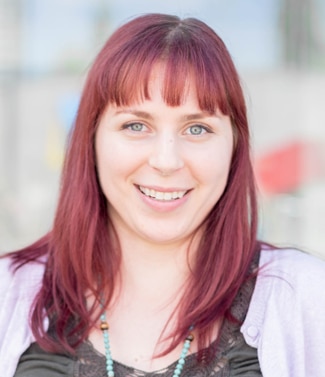
Robyn Srigley, also known as The Hormone Diva, is a Holistic Nutritionist, also known as The Hormone Diva, who specializes in supporting women with PCOS and Endometriosis. Robyn has PCOS herself and was able to reverse all of her symptoms without meds and eventually fell pregnant naturally in September 2018. Through this journey and supporting many other women to do the same, Robyn realizes the importance of deeply understanding what’s going on in your own body and how you can work with it (not against it) to create the health and fertility you so deeply desire.
References
Azziz, R., Carmina, E., Dewailly, D., Diamanti-Kandarakis, E., Escobar-Morreale, H. F., Futterweit, W., . . . Witchel, S. F. (2006). Criteria for Defining Polycystic Ovary Syndrome as a Predominantly Hyperandrogenic Syndrome: An Androgen Excess Society Guideline. The Journal of Clinical Endocrinology & Metabolism, 91(11), 4237-4245. doi:10.1210/jc.2006-0178
Franks, S., Stark, J., & Hardy, K. (2008). Follicle dynamics and anovulation in polycystic ovary syndrome. Human Reproduction Update, 14(5), 539-539. doi:10.1093/humupd/dmn028
Hamilton, K. P., Zelig, R., Parker, A. R., & Haggag, A. (2019). Insulin Resistance and Serum Magnesium Concentrations among Women with Polycystic Ovary Syndrome. Current Developments in Nutrition, 3(11). doi:10.1093/cdn/nzz108
Javanmanesh, F., Kashanian, M., Rahimi, M., & Sheikhansari, N. (2015). A comparison between the effects of metformin andN-acetyl cysteine (NAC) on some metabolic and endocrine characteristics of women with polycystic ovary syndrome. Gynecological Endocrinology, 32(4), 285-289. doi:10.3109/09513590.2015.1115974
Jonard, S. (2004). The follicular excess in polycystic ovaries, due to intra-ovarian hyperandrogenism, may be the main culprit for the follicular arrest. Human Reproduction Update, 10(2), 107-117. doi:10.1093/humupd/dmh010
Minozzi, M., Dandrea, G., & Unfer, V. (2008). Treatment of hirsutism with myo-inositol: A prospective clinical study. Reproductive BioMedicine Online, 17(4), 579-582. doi:10.1016/s1472-6483(10)60248-9
Mokhtari, V., Afsharian, P., & Shahhoseini, M. (2016). A review on Various Uses of N- Acetyl Cysteine. Cell J, 19(1), apr-jun, 11-17.
Oner, G., & Muderris, I. I. (2011). Clinical, endocrine and metabolic effects of metformin vs N-acetyl-cysteine in women with polycystic ovary syndrome. European Journal of Obstetrics & Gynecology and Reproductive Biology, 159(1), 127-131. doi:10.1016/j.ejogrb.2011.07.005
Raffone, E., Rizzo, P., & Benedetto, V. (2009). Insulin sensitiser agents alone and in co-treatment with r-FSH for ovulation induction in PCOS women. Gynecological Endocrinology, 26(4), 275-280. doi:10.3109/0951359090336699



Leave a Reply